-
-
Chickmagaluru, Karnataka, India 577101
The Ride That Changed the Direction of My Life
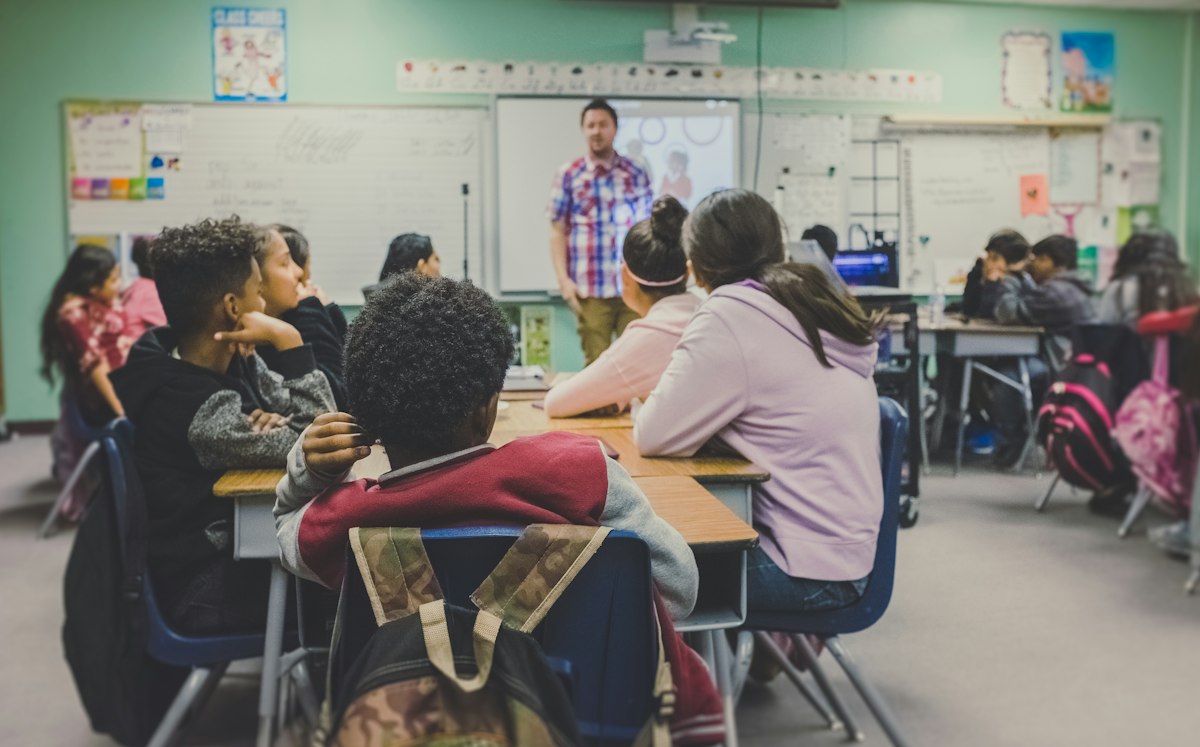
Girls' Education
The Ride That Changed the Direction of My Life
Nov 19, 2026 | 3 views
I thought I was simply giving an old school friend a lift. I never imagined that a few minutes on a two-wheeler would leave me with a question that would eventually help shape my life's mission.
Founder's Story | Girls' Education, Empowerment & Opportunity
It Began With an Ordinary Journey
I had recently completed my second PUC and was enjoying my holidays. Like many young people at that stage of life, I was thinking about my future, exploring possibilities and preparing for the next chapter of my education. One day, while travelling on my two-wheeler, I noticed a girl standing at a bus stop, looking for a lift. I slowed down, looked at her more carefully and realised that she was an old school friend.
Seeing her after so long made me genuinely happy. She was happy to see me too. We began talking like old friends do, remembering our school days, sharing updates about our lives and catching up on everything that had happened since we had last met. It was an ordinary conversation on an ordinary road, the kind of unexpected reunion that can brighten an otherwise uneventful day.
As we continued our journey, she asked me what I was doing. I told her that I had completed my second PUC and was planning to pursue engineering. She congratulated me, and I asked her about her own life and what she had been doing since school. I expected to hear about her studies, her plans or perhaps the career she wanted to pursue.
But her answer took the conversation in a direction I had never expected.
"My Marriage Happened After SSLC"
She told me that she had married soon after completing her SSLC. She was now a mother to a young child. I was surprised. We had studied in the same school, sat in classrooms together and grown up during the same years of our lives. Yet, while I was thinking about engineering and the future I wanted to build, she had already entered a very different stage of life.
As she explained her circumstances, I understood that there had been personal issues within her family. Her family had decided on the marriage, and she had been unable to convince them to let her continue on the path she had imagined for herself. Eventually, she accepted the decision that had been made.
Then she told me something that I have never forgotten.
"Mujhe padhne ka bahut shauk tha. Main police banna chahti thi. Lekin ghar mein kuch personal issues ki wajah se meri shaadi kar di. Main gharwalon ko mana nahi paayi."
She had wanted to study. She had dreamed of becoming a police officer. She had an idea of the future she wanted for herself, but her circumstances had taken her in a different direction.
After a pause, she expressed her disappointment in a way that struck me deeply. "Ab dekho... ek bachche ki maa hoon." Then she said something that stayed with me long after we parted ways: "Main ladki hoon... hamare sapnon ki koi ahmiyat nahi hoti. Ghar mein jaisa bolte hain, waisa karna padta hai."
Those words were not simply about a career that had never happened. They revealed the pain of feeling that your dreams do not carry enough weight to influence the direction of your own life.
Two School Friends, Two Different Futures
For a few moments, I did not know what to say. What do you say to someone who once sat beside you in a classroom, shared the same school environment and carried dreams of her own, but now feels that those dreams were never given a chance?
I did not look at her with pity. What I felt was a deep sadness about the circumstances she described and the difference between the choices available to us at that stage of our lives. We had both been students. We had both had ambitions. Yet, as we grew older, our paths had taken very different directions.
I was preparing to choose my college and pursue a career. She was raising a child and living with a decision that, as she described it, she had not been able to change. I could look ahead and think about the possibilities before me. She was looking back at a dream she felt she had lost.
The difference was not necessarily in our ability to dream, our intelligence or our potential. It was in the circumstances surrounding our choices and the degree of influence we had over our own futures.
That realisation stayed with me. Her story made me think about how easily we can overlook the ambitions of young people when we see only their family circumstances, social expectations or present responsibilities. Behind every person is a life we may know very little about, and sometimes behind a quiet acceptance lies a dream that was never given the opportunity to grow.
I began asking myself a question that would remain with me for years: how many other girls were living similar stories?
What If Someone Had Given Her a Chance?
I kept thinking about the possibilities that might have existed if her circumstances had been different. What if she had received more encouragement to continue her education? What if her family had supported her ambition? What if she had had access to guidance, a mentor or someone who could help her explore the path towards becoming a police officer?
I cannot say what would have happened. Perhaps she would have become a police officer. Perhaps she would have discovered a different profession along the way. Her ambitions might even have changed as she grew older. None of us can know for certain.
But there was one thing I could not stop thinking about: she should have had the opportunity to explore those possibilities and make meaningful choices about her future.
The point was never that every girl must become what she dreamed of becoming as a child. The point was that her dreams should matter enough for her to have a chance to pursue them.
A young person's future should not be restricted simply because they lack information, encouragement, access to education or the freedom to consider different possibilities. Families face real circumstances and difficult decisions, and every situation is different. But the aspirations of girls deserve to be heard, their abilities deserve to be developed, and their futures deserve to be part of the conversation.
That day, I began to understand that education was about more than completing school or earning a qualification. It was also about helping people recognise their potential, understand their options and gain the confidence and capabilities to shape their own lives.
A Conversation That Became a Question — and a Mission
I continued my journey that day, but my thoughts remained with my friend. I found myself thinking about girls who wanted to study, young women who hoped to build careers, children with abilities they had never had the chance to explore, and families who might not know what opportunities were available to them.
Some young people face financial difficulties. Others lack access to quality education, career guidance, skill development or exposure to different professions. Some grow up in environments where social expectations strongly influence the choices available to them. In many situations, the absence of encouragement or a supportive pathway can make it difficult for a young person to imagine a future beyond what they already know.
I could not solve all these challenges, and I did not have a complete plan for how to address them. I was still young myself, thinking about my own education and future. But something had changed in the way I looked at the world around me. I could no longer see education and opportunity as matters that affected only individual students. I began to see how access, awareness, skills and support could influence the direction of an entire life.
A thought gradually became a question: what could I do to help create better opportunities for people whose potential was greater than the circumstances surrounding them?
That question became a sense of responsibility. And that responsibility began to develop into a mission.
I remember the intensity of that feeling — a kind of junoon. I did not know exactly where to begin, what the journey would demand or how long it would take. But I knew that I wanted to contribute towards a future in which more children and young people could learn, discover their abilities and pursue their aspirations with dignity.
Years later, that determination became one of the important influences behind Hanfi Foundation.
Why Hanfi Foundation Exists
The experiences that shaped my thinking gradually led me towards a broader understanding of development. Through my work and interactions with different communities, I came to believe that people should not be defined only by their difficulties, financial circumstances or lack of access to resources. Every individual carries potential, but that potential needs the right conditions to develop.
For a child, those conditions may begin with access to education, books, encouragement and opportunities to explore. For a young person, they may include practical skills, career awareness, guidance and access to meaningful work. For a woman, they may involve education, livelihood opportunities, confidence and greater ability to make decisions about her future. For families and communities, progress may also require better access to health awareness, hygiene, nourishment and the knowledge needed to improve everyday life.
This understanding is central to the purpose of Hanfi Foundation. Through our work in education, health, women's empowerment, nourishment and community development, we seek to contribute towards creating opportunities that help individuals and families move forward with dignity.
Our aim is not simply to provide temporary assistance. It is to help address the barriers that prevent people from learning, growing and improving their circumstances. We believe that meaningful development should strengthen people's capabilities, support their independence and help them participate more fully in shaping their own futures.
The girl I met on that road had once imagined a different life for herself. Her story reminded me that a person's potential can remain hidden when circumstances leave little room for choice. That is one reason I believe we must invest in opportunities early, before a child's aspirations are forgotten or their options become unnecessarily limited.
Hanfi Foundation was shaped by the belief that every person deserves more than sympathy for the difficulties they face. They deserve opportunities to develop their abilities, make informed choices and build a better future.
Girls' Education Is About More Than Going to School
Education is one of the most important ways to expand a young person's understanding of what may be possible. It can provide knowledge, develop skills, build confidence and introduce students to opportunities they may never otherwise encounter. But meaningful education also requires us to consider what happens beyond the classroom.
Are girls encouraged to ask questions and express their aspirations? Do they have access to information about different careers? Can they meet mentors who help them understand the paths available to them? Are they given opportunities to develop practical skills and confidence? Do families and communities have access to the awareness and support that can help young people continue their education and make informed decisions?
These questions matter because education is not only about preparing students for examinations. It should also help them understand themselves, recognise their abilities and participate in decisions about their futures.
When girls have access to education and meaningful opportunities, the benefits can extend beyond their own lives. They may gain greater confidence in making decisions, improve their livelihood prospects and contribute in new ways to their families and communities. Their experiences can also influence younger siblings and future generations.
Every girl will have her own ambitions. Some may want to become doctors, engineers, teachers, entrepreneurs, artists or public servants. Others may discover different interests as they grow. Our role is not to choose their dreams for them, but to help ensure that their circumstances do not unnecessarily prevent them from exploring what they can become.
From Intention to Action
Today, when I reflect on the purpose of Hanfi Foundation, I often think back to that ordinary road, the bus stop and the conversation with my old school friend. I remember how a simple reunion turned into a moment that changed the way I understood education, opportunity and responsibility.
That conversation did not give me all the answers. It gave me something else: a reason to keep asking important questions. How can we make education more meaningful? How can we bring learning resources closer to children who have limited access to them? How can we help young people develop skills and confidence? How can we support women in accessing opportunities that strengthen their independence? And how can we work with communities to create solutions that respond to their real circumstances?
These questions continue to guide the way we think about our work. Through initiatives such as Ride2Read and the Pravah Campaign, Hanfi Foundation works towards improving educational access and supporting women and communities through learning, awareness and empowerment activities. Our broader commitment also includes health, nourishment and community development, because the ability to build a better future is influenced by more than one aspect of life.
We recognise that meaningful change takes time, collaboration and consistent effort. No single organisation can solve every challenge, and no two individuals have exactly the same needs. But we can listen to communities, understand their circumstances, work with partners and create practical opportunities that help people take their next steps forward.
For me, this is how a personal experience can become something larger than itself: not by claiming that one conversation changed everything, but by allowing that experience to shape the questions we ask and the work we choose to pursue.
We Cannot Rewrite Every Story, But We Can Help Create New Possibilities
I cannot go back and change what happened to my school friend. I cannot restore the years she feels she lost or know what her life might have looked like under different circumstances. Her story belongs to her, and I can only respect the experience she shared with me.
But I can work towards a future in which more girls have access to education, information, skills and support. A future in which young people are encouraged to express their aspirations and explore their abilities. A future in which a girl's potential is recognised before limited opportunities convince her that her dreams do not matter.
Perhaps another girl will discover a passion for public service and receive the guidance she needs to pursue it. Another may become a doctor, an engineer, a teacher, an entrepreneur or a leader in her community. Another may choose a different path altogether, one that nobody around her had previously imagined.
The important thing is that she has the opportunity to learn, consider her options and make informed choices about her future.
I do not want girls to feel that their dreams must always come second. I want them to be able to say, "I was given a chance. I received support. I developed my abilities. I chose my path, and I worked towards building my future."
That is the kind of progress we should work towards — not by imposing a particular future on anyone, but by expanding access to the opportunities that make choice more meaningful.
Her Dream Still Matters
I do not know whether my old school friend ever realised what that conversation meant to me. Perhaps, for her, it was simply a chance meeting between two people who had once shared a classroom. For me, it became a turning point in how I thought about the relationship between education, opportunity and human dignity.
I still remember her dream of becoming a police officer, not because every dream must unfold exactly as first imagined, but because she expressed the pain of feeling that her aspirations had never been given enough importance. Her words made me think about all the young people whose potential may remain undiscovered because they lack the support, access or opportunity to explore it.
Her story became part of the reason I wanted to contribute towards creating a different kind of future — one where education helps people see possibilities, where skills open pathways, where women have opportunities to pursue greater independence, and where children are encouraged to discover what they are capable of becoming.
That road, that brief journey and that conversation remain a reminder of why this work matters to me. Sometimes, a moment does not tell us exactly what to do. It simply makes it impossible to ignore a question we had not fully understood before.
For me, that question was simple: if opportunity can influence the direction of a person's life, what responsibility do we have to help make opportunity more accessible?
It is a question that continues to guide my work, and one that I believe deserves our attention as individuals, communities and organisations.
One Ride. One Conversation. One Mission.
Life does not always announce the moments that will influence our future. Sometimes, we think we are simply travelling along a familiar road, meeting an old friend or having an ordinary conversation. Only later do we understand that the experience has changed the questions we ask and the direction in which we choose to move.
That day, I did not have a complete plan. I had my own future to think about, and there was much I still needed to learn. But I came away with a conviction that has stayed with me: people deserve opportunities to discover their potential, and we should work towards removing the barriers that prevent them from doing so.
That conviction became one of the seeds behind Hanfi Foundation and continues to shape the purpose of our work. We want to contribute towards a future where children can access meaningful education, young people can develop their skills, women can pursue greater independence, and communities can build stronger futures through knowledge, opportunity and action.
I cannot change every story. But perhaps we can help create conditions in which more stories unfold differently — with greater access to education, more freedom to explore possibilities and more opportunities to make meaningful choices.
For every child whose potential is waiting to be discovered. For every girl whose aspirations deserve to be heard. For every young person who needs an opportunity to take the next step towards a better future.
That is why we keep going.
Humanity • Hope • ActionHanfi Foundation — Building a Better Tomorrow, For Every Life.
Leave a Comment
Recent Posts
She Wasn't Asking for Help. She Was Asking fo...
Nov 19, 2026
A Bus Ride That Took Me Back to My Childhood
Nov 19, 2026
Comments (0)
No comments approved for this post yet. Be the first to share your thoughts!