-
-
Chickmagaluru, Karnataka, India 577101
Some Teachers Teach Subjects. Some Teachers Teach Life.
Education
Some Teachers Teach Subjects. Some Teachers Teach Life.
Nov 19, 2026 | 3 views
How a teacher's simple savings book taught me a lesson in financial responsibility — and why it continues to shape my vision of education through Hanfi Foundation.
Impact Story | Education, Life Skills & Community Development
A Lesson From My Childhood That Never Left Me
I grew up in a rural village and studied in a government school. Like most children, I went to school to learn subjects, complete homework and prepare for examinations. At that age, education meant textbooks, teachers, marks and the hope of moving towards a better future. I had no idea that some of the most valuable lessons I would carry into adulthood would come from experiences that were never part of a formal textbook.
One such lesson came from a teacher I still remember with gratitude: Suma Madam. Her idea was simple, practical and remarkably thoughtful. She wanted us to develop the habit of saving money instead of spending everything we received. At the time, it seemed like an ordinary school activity. Years later, I realised that she had given us something far more valuable than a lesson about money. She had introduced us to responsibility, discipline, planning and the importance of making thoughtful decisions.
It is remarkable how certain experiences from childhood become clearer as we grow older. We may not fully understand the value of what a teacher is trying to teach us at the time, but those lessons can quietly influence the way we think, act and understand the world many years later.
How ₹1, ₹2 and ₹5 Became a Lesson for Life
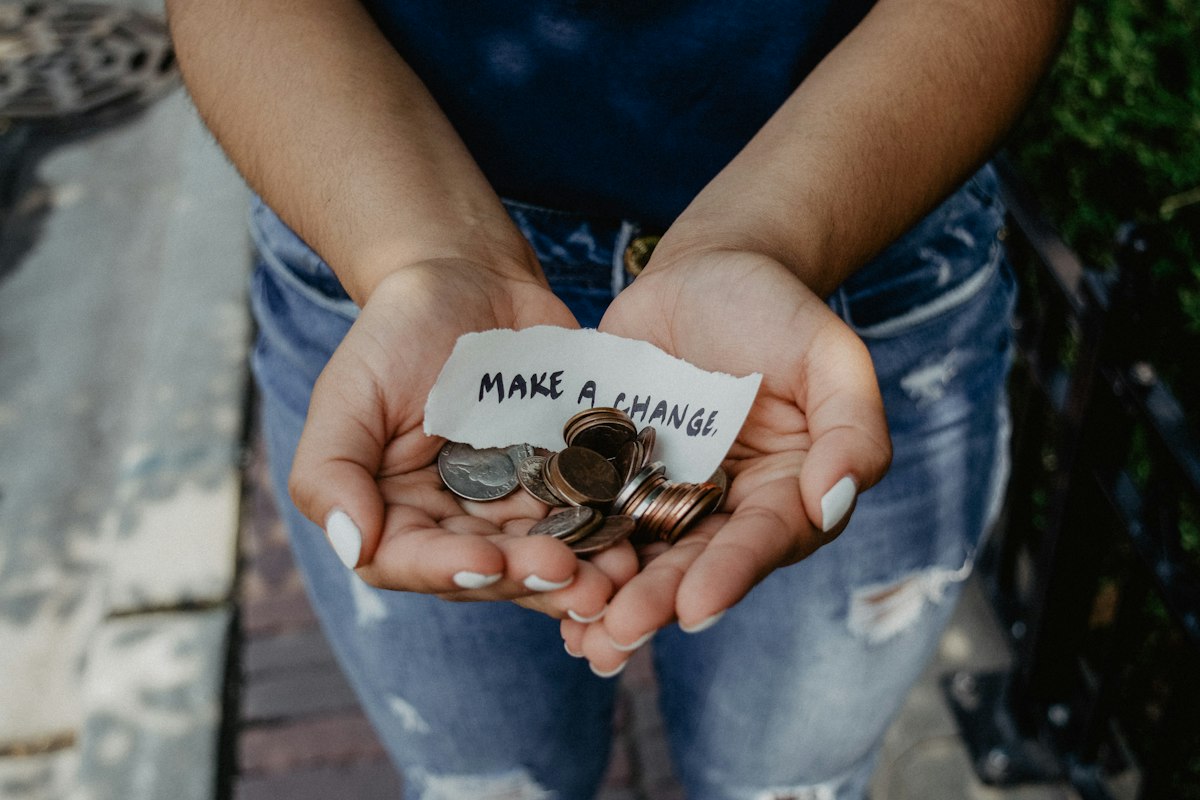
Many students in our school received a small amount of pocket money. Like children everywhere, we often spent it on snacks and little things that caught our attention. Suma Madam noticed this habit and decided to address it in a way that went beyond simply telling us not to waste money. Instead of giving us a lecture, she created a simple savings system through which we could deposit whatever little money we were able to save.
It could be ₹1, ₹2 or ₹5. There was no pressure to save a large amount, and the idea was not to compete with one another. We recorded our savings in a small savings book, and the money remained ours. Whenever we genuinely needed it, we could withdraw it. When stationery vendors visited our school, we could use our savings to buy things we needed for learning, such as notebooks, pens and other educational materials.
For us, it was a simple arrangement. We were saving our own money and using it when necessary. But Suma Madam had created something much more meaningful: a small, practical environment in which children could experience financial responsibility rather than merely hear about it.
She was teaching us that money should be managed thoughtfully, that even small amounts have value, and that saving today can help us meet a need tomorrow. Without complicated lessons or expensive resources, she had connected an everyday childhood habit with a skill we would need throughout our lives.
She turned a few rupees into a lesson about responsibility, and a simple savings book into an introduction to life beyond the classroom.
The Teacher Who Taught Beyond the Syllabus
Looking back, I realise that Suma Madam was teaching us much more than saving. Through that one activity, we were learning self-discipline, responsible spending, patience and planning. We were beginning to understand that we did not have to spend everything immediately and that our decisions today could affect our choices tomorrow. Most importantly, we were given a sense of ownership: the money was ours, the decisions were ours, and we were learning to take responsibility for both.
That is what made her approach so effective. She did not need to explain every concept through formal definitions. She created an opportunity for us to practise those concepts in our daily lives. The lesson became meaningful because we could experience it ourselves.
A good teacher understands that children learn in different ways. Sometimes they learn by reading, sometimes by observing, and sometimes by doing something with their own hands. When learning is connected to real experiences, children have a better opportunity to understand why it matters and how to apply it outside school.
We often remember teachers because of the subjects they taught us, but some teachers leave a deeper impression because of the way they help us understand life. They notice everyday problems and turn them into opportunities for growth. They help children develop habits and ways of thinking that may prove useful long after the examination papers have been forgotten.
For me, the savings book became one of those memories. I did not understand its full significance as a child, but today I can appreciate the thought behind it.
Why This Memory Changed the Way I Think About Education
Years later, as I travelled through different communities and met children and families from different circumstances through my work, I began to think more deeply about the purpose of education. I saw how much a person's opportunities can be influenced by their surroundings, access to resources and exposure to the world beyond their immediate environment. I also began to appreciate that education is not simply about whether a child attends school, but about what that child gets to learn, experience and discover.
A child can spend years in a classroom and still have limited opportunities to develop practical life skills. They may learn mathematics without understanding how to manage a small budget, study science without having opportunities to experiment, or memorise lessons without learning how to ask questions, solve problems or make thoughtful decisions. Academic knowledge is essential, but children also need opportunities to apply what they learn to the realities of everyday life.
My memory of Suma Madam reminds me that meaningful educational innovation does not always require sophisticated technology, expensive infrastructure or elaborate programmes. Sometimes, it begins with a teacher who understands the children in front of them and finds a practical way to help them learn something valuable.
The real question is not only whether children are receiving an education, but whether that education is preparing them to understand life, make decisions and shape their own future.
Why Hanfi Foundation Was Started
The purpose behind Hanfi Foundation comes from a similar understanding: meaningful development requires us to look beyond immediate difficulties and focus on the opportunities people need to grow. Through our work and experiences in different communities, we have come to recognise the importance of education, health, women's empowerment, nourishment and community development in building stronger families and more resilient communities.
We believe that people should not be defined only by the challenges they face or the resources they lack. Every individual has potential, and every child deserves the opportunity to discover and develop that potential. But potential cannot grow through encouragement alone. It also needs access to knowledge, practical learning, suitable resources and an environment that allows people to progress with dignity.
This is why Hanfi Foundation works towards creating opportunities that address real needs within communities. Our approach is not simply to provide temporary assistance and move on. We want to contribute to lasting change by helping children access meaningful learning, supporting women in pursuing greater independence, promoting awareness about health and hygiene, and working with communities towards better opportunities and living conditions.
For us, development is not just about what we give people. It is also about what they are able to learn, build and achieve as a result. We want our work to contribute to greater capability, confidence and self-reliance, so that individuals and families can move towards a stronger future.
That vision is also why the small lessons of childhood matter to me. Suma Madam did not need a large programme to teach us something important. She identified a need, understood her students and created a practical opportunity for them to learn. Her example continues to remind me that meaningful change often begins when someone takes the time to understand a problem and responds with care and purpose.
Ride2Read: Making Learning More Meaningful
This belief is closely connected to our Ride2Read initiative, through which Hanfi Foundation works to bring educational resources and engaging learning experiences closer to children in underserved communities, including children in migrant-worker settlements, slum communities and rural areas.
For many children, access to books, educational materials, technology and opportunities to explore their interests may be limited. Ride2Read aims to help bridge some of these gaps by making learning resources more accessible and creating opportunities for children to engage with education beyond rote memorisation.
Our vision is that learning should be interactive, practical and connected to children's lives. Alongside foundational learning, we want children to have opportunities to develop curiosity, confidence, creativity and the ability to think independently. Experiences such as reading, hands-on activities, problem-solving and exposure to new ideas can help children discover interests and abilities that might otherwise remain unexplored.
The lesson from Suma Madam is especially relevant here. A small savings activity helped children begin to understand a real-life concept through experience. In the same spirit, we believe educational activities can be designed to help children connect classroom knowledge with everyday situations, whether they are learning about numbers, managing resources, communicating ideas or solving problems.
We do not believe every solution must begin outside the community. Teachers, parents and local educators often understand children's needs deeply and may already have practical ideas worth learning from. Our responsibility is to recognise such efforts, learn from effective practices and help create more opportunities for children to benefit from meaningful education.
Quality Education Must Prepare Children for Life
A child's education should not be measured only by examination results. Marks can tell us something about academic performance, but they cannot capture every aspect of a child's development. We must also consider whether children are learning to communicate confidently, manage responsibilities, think critically, work with others, understand their choices and approach challenges with resilience.
Financial literacy is one example of a life skill that can be introduced in age-appropriate ways. Children can learn about saving, budgeting, distinguishing needs from wants and making responsible choices. Other practical experiences can help them develop time management, teamwork, creativity, problem-solving and decision-making skills. These lessons do not replace academic education; they complement it and help children understand how knowledge can be applied in everyday life.
Imagine if more classrooms gave children opportunities to explore such concepts through simple, practical activities. Imagine a child learning to plan a small budget, another discovering the joy of reading, and another gaining confidence by presenting an idea to classmates. These experiences may appear modest, but they can help children develop habits and abilities that support them as they grow.
Education should give children knowledge to understand the world, character to navigate it, and life skills to participate in it with confidence and responsibility.
This is the kind of education we want to encourage through Hanfi Foundation: education that recognises the whole child and prepares them not only for examinations, but also for the decisions, responsibilities and opportunities they will encounter throughout life.
A Small Savings Book, A Lasting Impact
When I look back at my school days, that little savings book represents much more than the money we deposited. It reminds me of a teacher who saw an opportunity to teach something meaningful through an everyday experience. She understood that children do not always need complicated explanations to learn important lessons. Sometimes, they need a simple idea, a chance to practise it and a teacher who cares enough to make learning relevant.
I do not know whether Suma Madam ever realised how deeply that activity would stay with me. Perhaps, for her, it was simply a practical way to encourage a good habit among her students. For me, it became a lesson I would understand more fully years later, when I began reflecting on education, development and the opportunities children need to build better futures.
Her example reminds me that we should recognise and value the thoughtful work teachers do every day. Many meaningful educational practices begin quietly, in ordinary classrooms, without recognition or large resources. If we pay attention to these experiences, learn from them and help good ideas reach more children, we can strengthen education in ways that are practical and relevant to the communities we serve.
Some teachers teach subjects. Some teachers teach life. Suma Madam did both, and I remain grateful for the lesson she gave us.
Our Commitment: Education Beyond the Classroom
At Hanfi Foundation, we believe every child deserves an education that develops knowledge, character, confidence and practical life skills. Through our education initiatives, including Ride2Read, we want to contribute towards a future in which children from every background have greater access to learning resources, meaningful experiences and opportunities to discover their abilities.
Our work is guided by a simple belief: where a child is born should not determine how much that child gets to learn, explore or achieve. We want to help create opportunities through which children can grow in confidence, develop their capabilities and move towards a better future.
The memory of Suma Madam continues to remind me that change does not always begin with something big. It can begin with a teacher who notices a habit, a simple idea that makes learning practical, or a small opportunity that helps a child understand a new concept. What matters is the thought behind the action and the lasting value it can create.
Thank you, Suma Madam, for teaching us that even ₹1, ₹2 or ₹5 can carry a lesson far greater than its monetary value.
And to every teacher who goes beyond the syllabus, connects education with life and sees potential in every child: your work matters more than you may ever know.
At Hanfi Foundation, we remain committed to strengthening humanity through hope and transforming hope into action — by making education more meaningful, opportunities more accessible and development more dignified for every life.
Humanity • Hope • ActionHanfi Foundation — Building a Better Tomorrow, For Every Life.
Leave a Comment
Recent Posts
She Wasn't Asking for Help. She Was Asking fo...
Nov 19, 2026
A Bus Ride That Took Me Back to My Childhood
Nov 19, 2026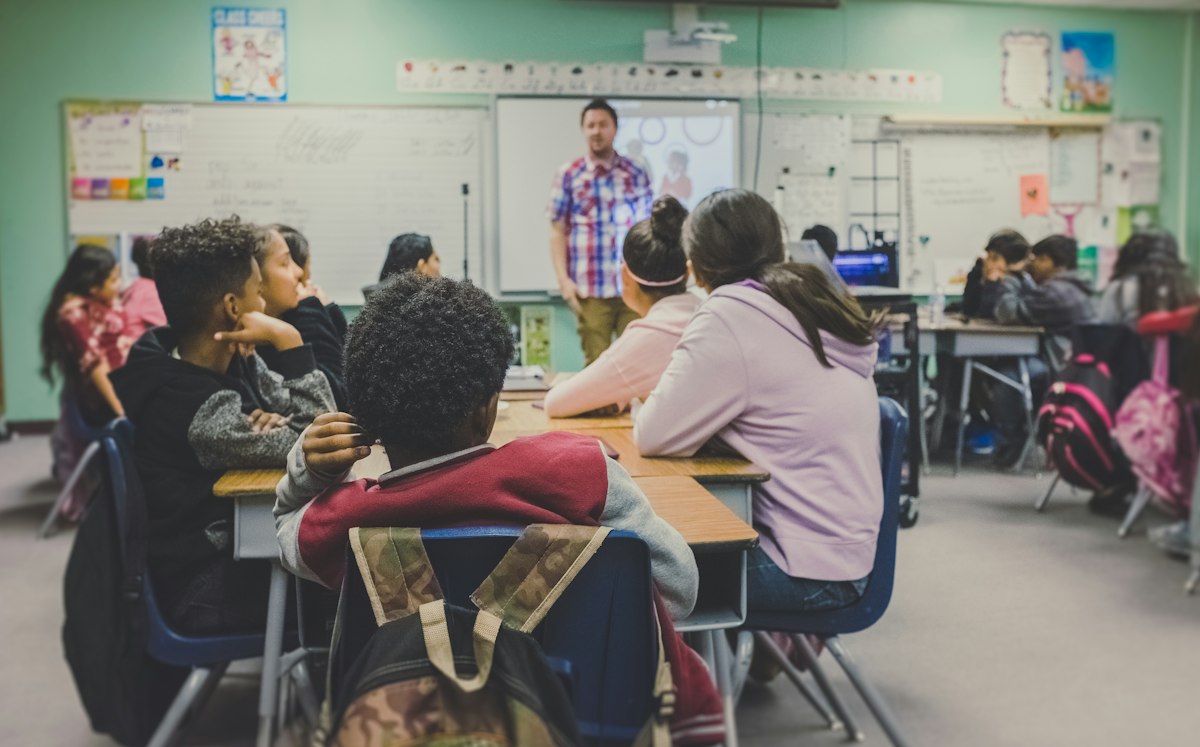
Comments (0)
No comments approved for this post yet. Be the first to share your thoughts!